Loading the question bank
Car · DVSA-based revision questions
Road and traffic signs
133 car theory test questions on road and traffic signs. Preview the questions below, or open one to read its answer and continue through the whole topic.
Practise
Be marked as you go
A session draws from all 133 of these, weakest first, and marks each answer the moment you give it. Nothing here needs an account.
The questions
20 of 133The first 20 in the order the pack holds them. Open the answer when you want to check yourself; a session draws from all 133 and marks you instead.
How can you identify traffic signs that give orders?
They're rectangular with a yellow border
They're triangular with a blue border
They're square with a brown border
They're circular with a red border
Show the answer
They're circular with a red borderThis was the right answer
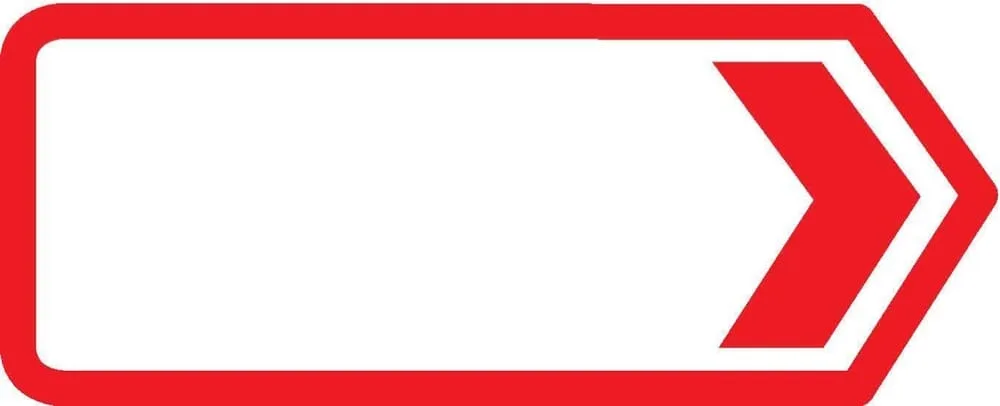
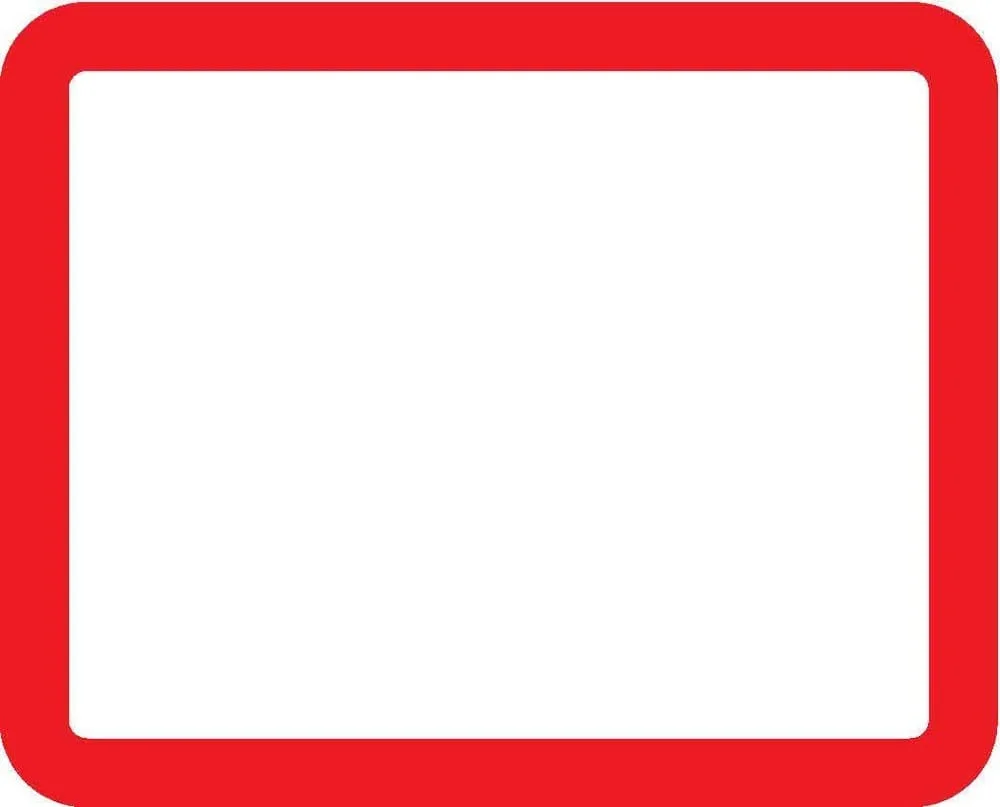
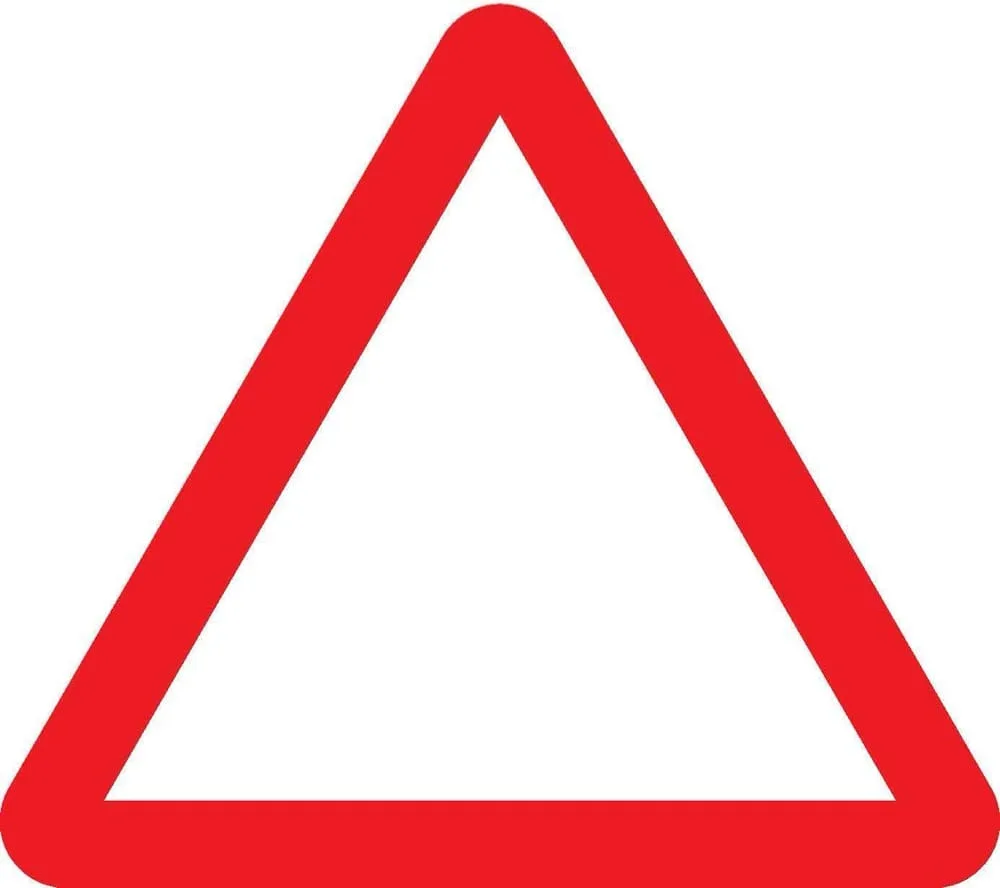
There are three basic types of traffic sign: those that warn, those that inform and those that give orders. Generally, triangular signs warn, rectangular signs give information or directions and circular signs give orders. An exception is the eight-sided 'stop' sign.
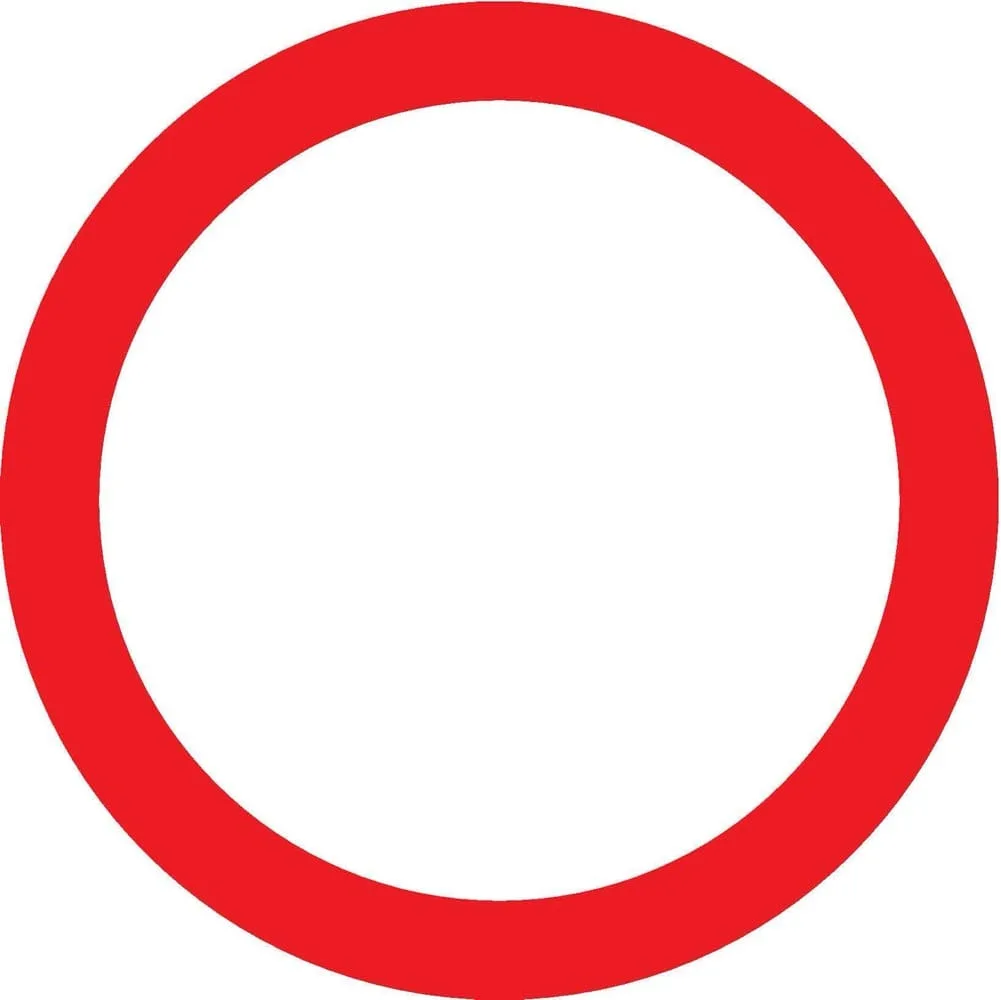
What shape are traffic signs giving orders?
Show the answer
This was the right answerRoad signs in the shape of a circle give orders. Those with a red circle are mostly prohibitive. The ‘stop’ sign is octagonal to give it greater prominence. Signs giving orders must always be obeyed.
Which type of sign tells you what you must not do?
Show the answer
This was the right answerSigns in the shape of a circle give orders. A sign with a red circle means that you aren’t allowed to do something. Study Know Your Traffic Signs to ensure that you understand what the different traffic signs mean.
What does this sign mean?
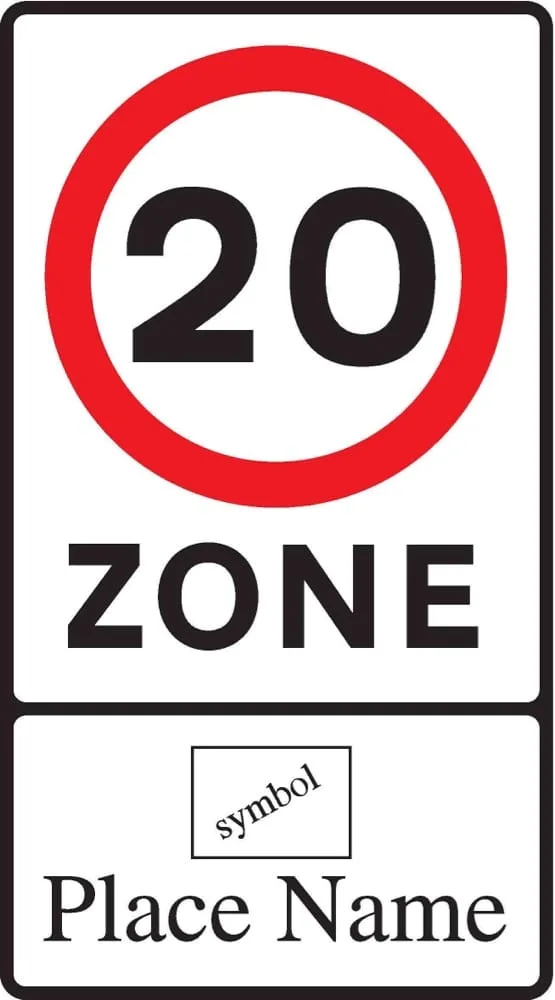
Maximum speed limit with traffic calming
Minimum speed limit with traffic calming
‘20 cars only’ parking zone
Only 20 cars allowed at any one time
Show the answer
Maximum speed limit with traffic calmingThis was the right answer
If you’re in a place where there are likely to be pedestrians (for example, outside a school, near a park, in a residential area or in a shopping area), you should be cautious and keep your speed down.
Many local authorities have taken steps to slow traffic down by creating traffic-calming measures such as road humps. They're there for a reason; slow down.
What does this sign mean?
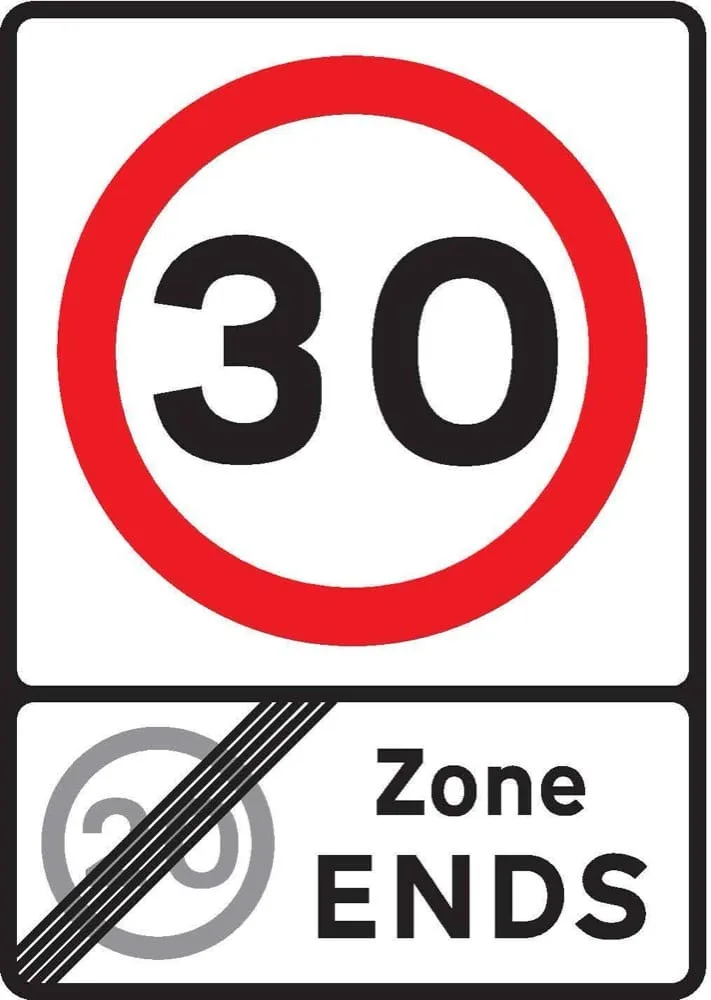
New speed limit 20 mph
No vehicles over 30 tonnes
Minimum speed limit 30 mph
End of 20 mph zone
Show the answer
End of 20 mph zoneThis was the right answer
Where you see this sign, the 20 mph restriction ends and a 30 mph restriction starts. Check all around for possible hazards and only increase your speed if it’s safe to do so.
What does this sign mean?
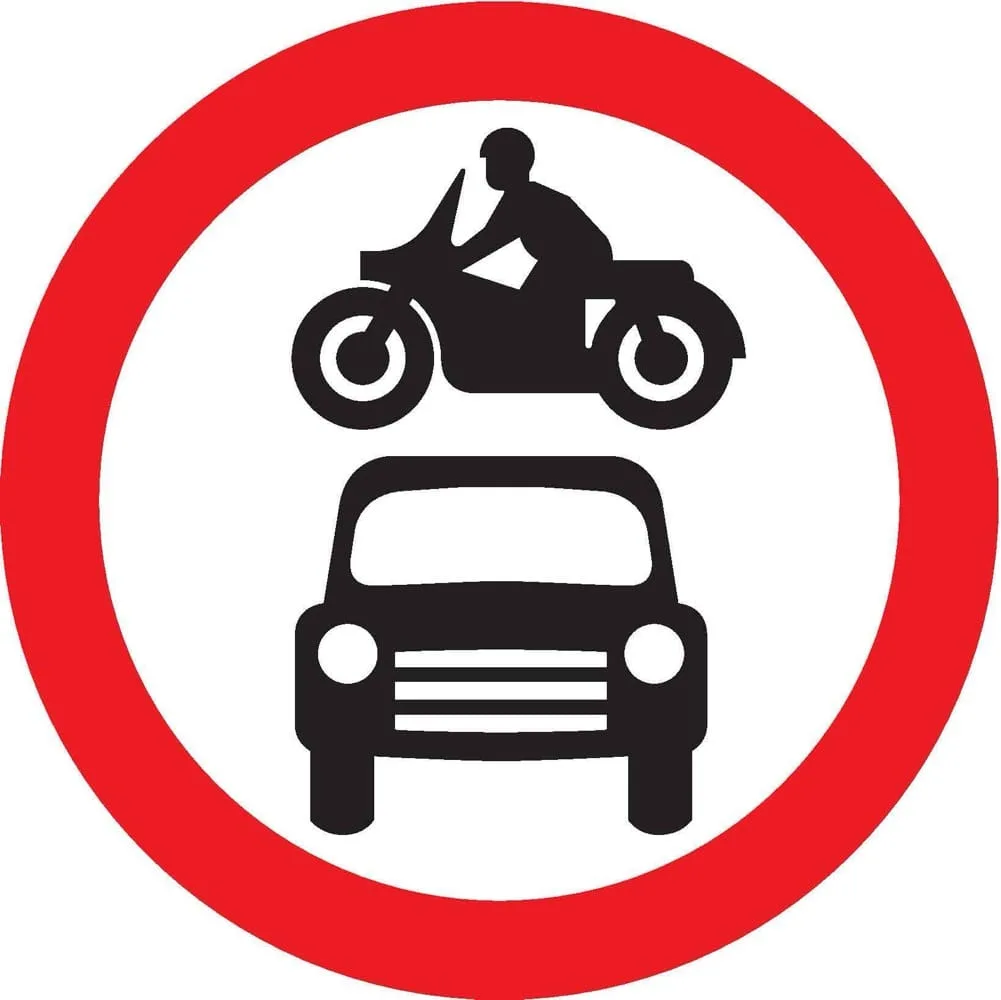
No overtaking
No motor vehicles
Clearway (no stopping)
Cars and motorcycles only
Show the answer
No motor vehiclesThis was the right answer
A sign will indicate which types of vehicles are prohibited from certain roads. Make sure that you know which signs apply to the vehicle you're using.
What does this sign mean?
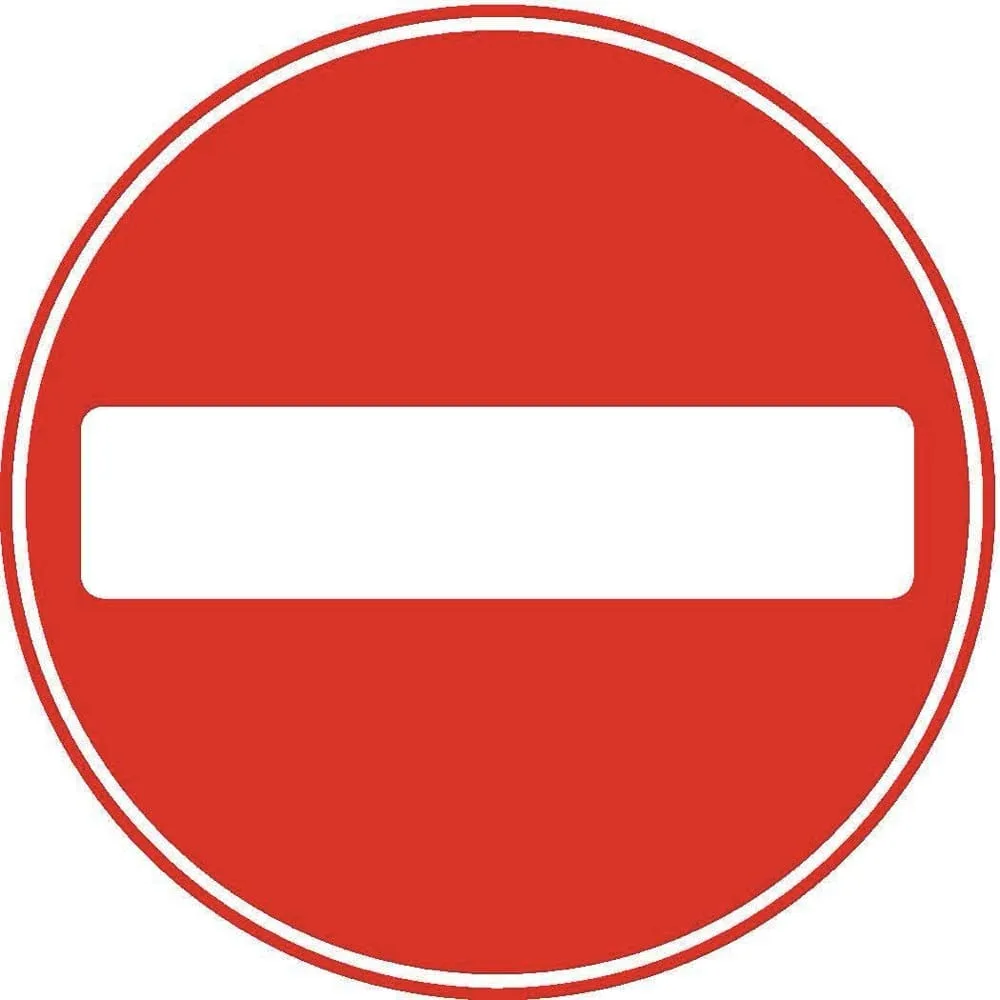
No parking
No road markings
No through road
No entry
Show the answer
No entryThis was the right answer
'No entry' signs are used in places such as one-way streets to prevent vehicles driving against the traffic. To ignore one would be dangerous, both for yourself and for other road users, as well as being against the law.
What does this sign mean?
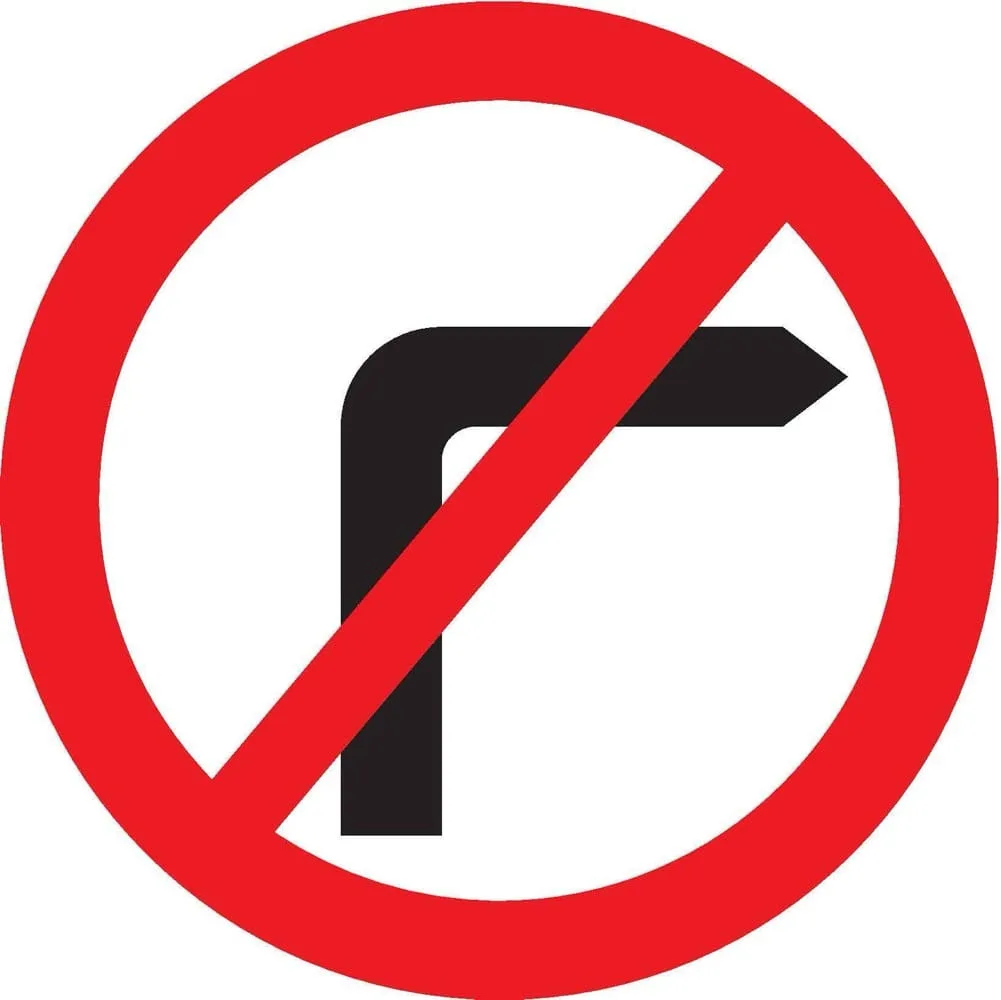
Bend to the right
Road on the right closed
No traffic from the right
No right turn
Show the answer
No right turnThis was the right answer
The 'no right turn' sign may be used to warn road users that there's a 'no entry' prohibition on a road to the right ahead.
Which sign means 'no entry'?
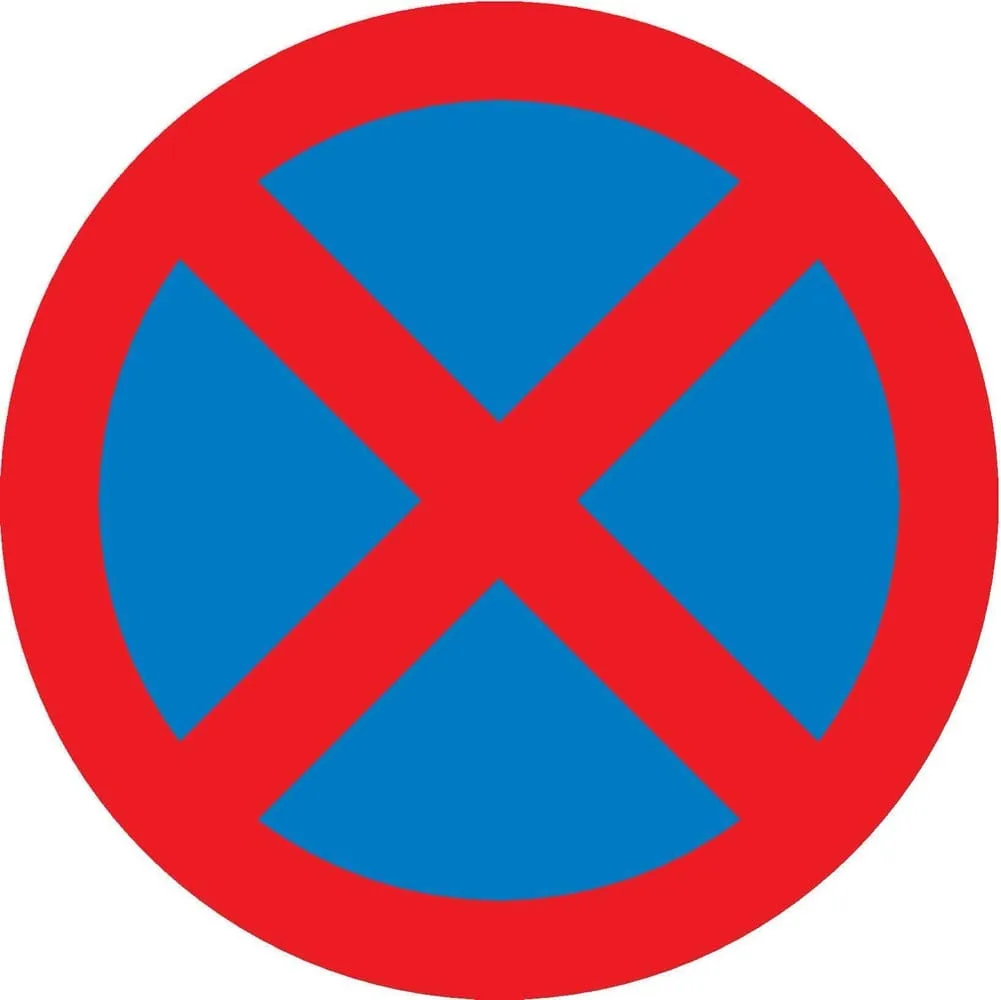
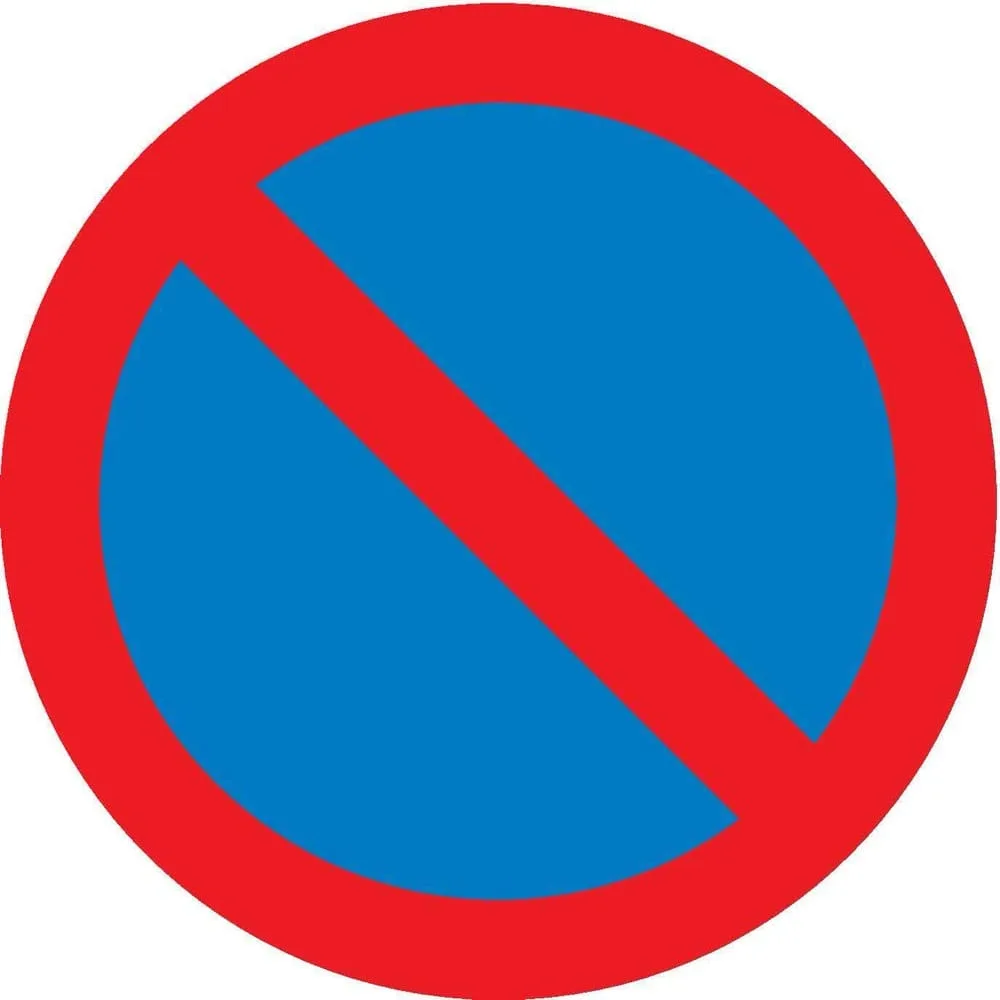
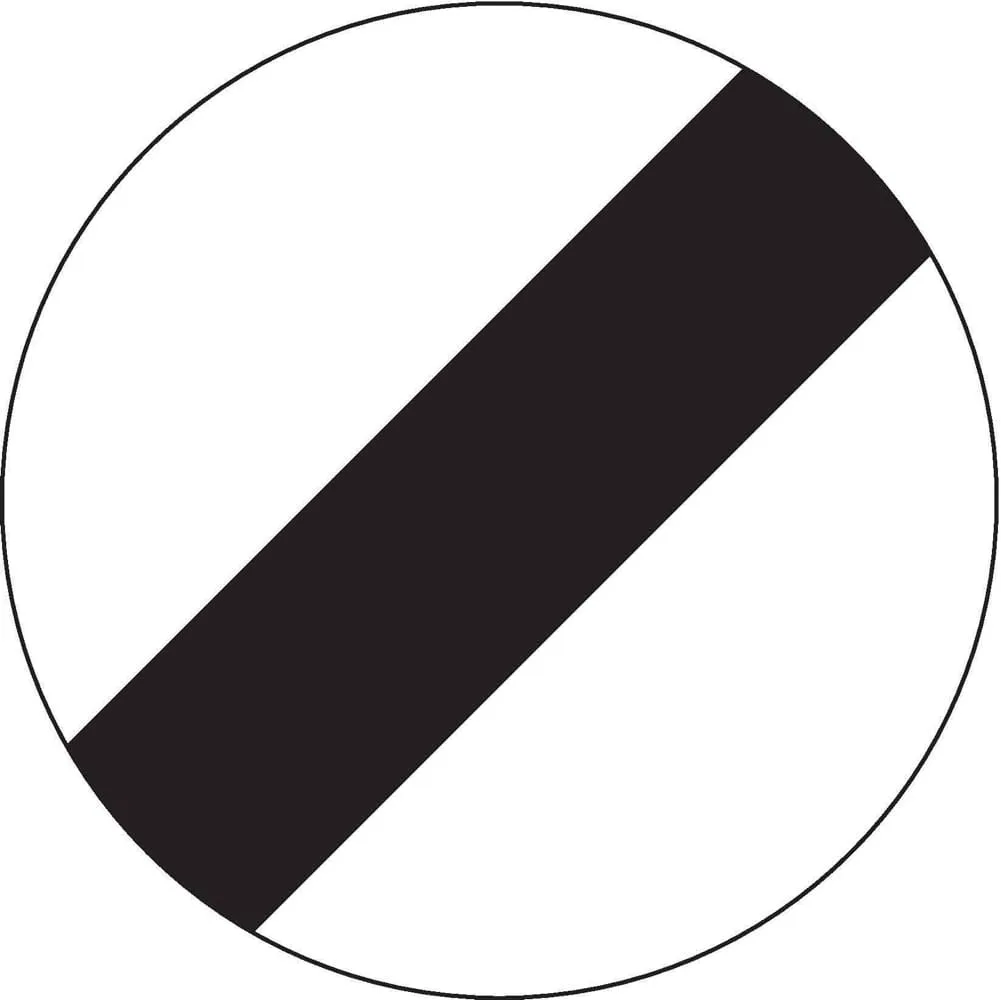
Show the answer
This was the right answerLook for and obey traffic signs. Disobeying or not seeing a sign could be dangerous. It may also be an offence for which you could be prosecuted.
What does this sign mean?
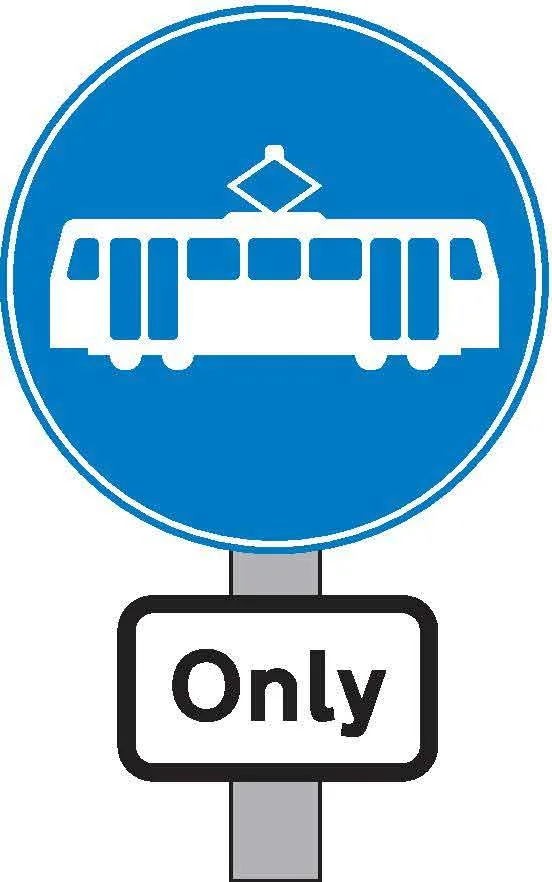
Route for trams only
Route for buses only
Parking for buses only
Parking for trams only
Show the answer
Route for trams onlyThis was the right answer
Avoid blocking tram routes. Trams are fixed on their route and can't manoeuvre around other vehicles or pedestrians. Modern trams travel quickly and are quiet, so you might not hear them approaching.
Which type of vehicle does this sign apply to?
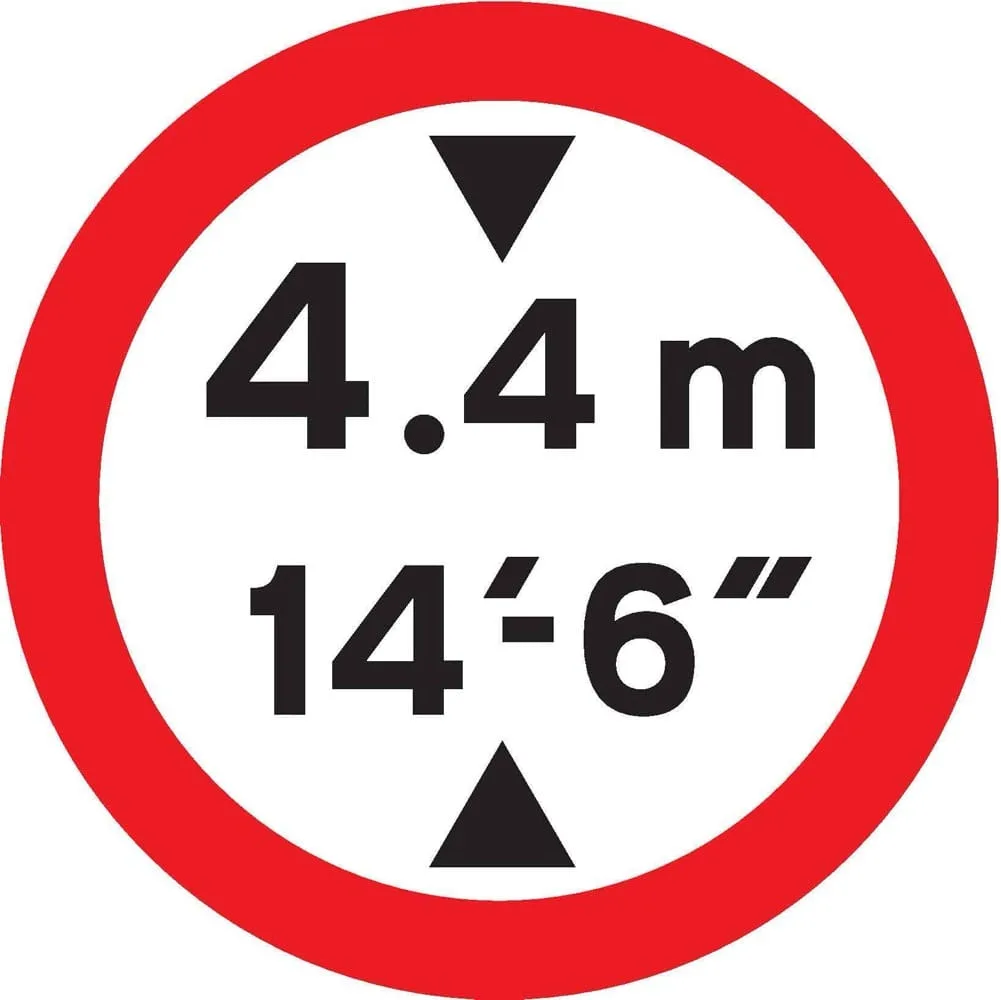
Wide vehicles
Long vehicles
High vehicles
Heavy vehicles
Show the answer
High vehiclesThis was the right answer
The triangular shapes above and below the dimensions indicate a height restriction that applies to the road ahead.
Which sign means no motor vehicles allowed?
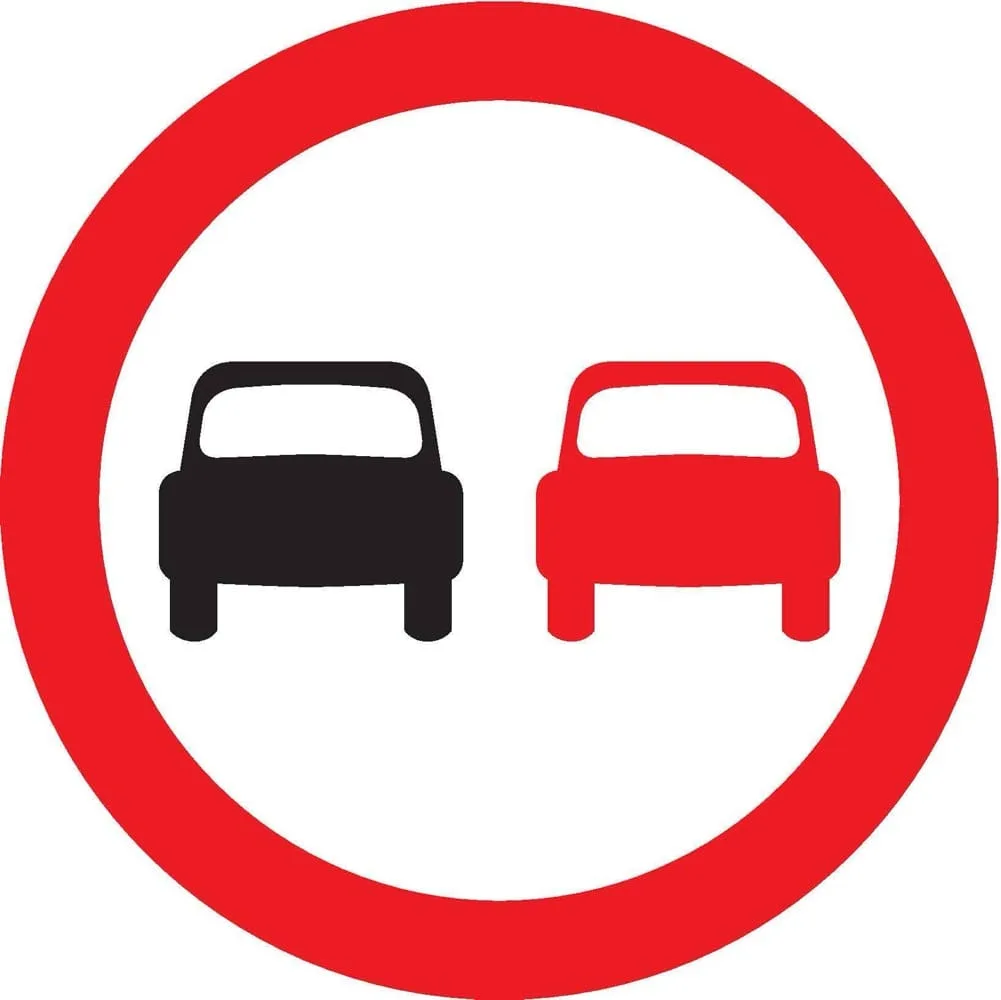
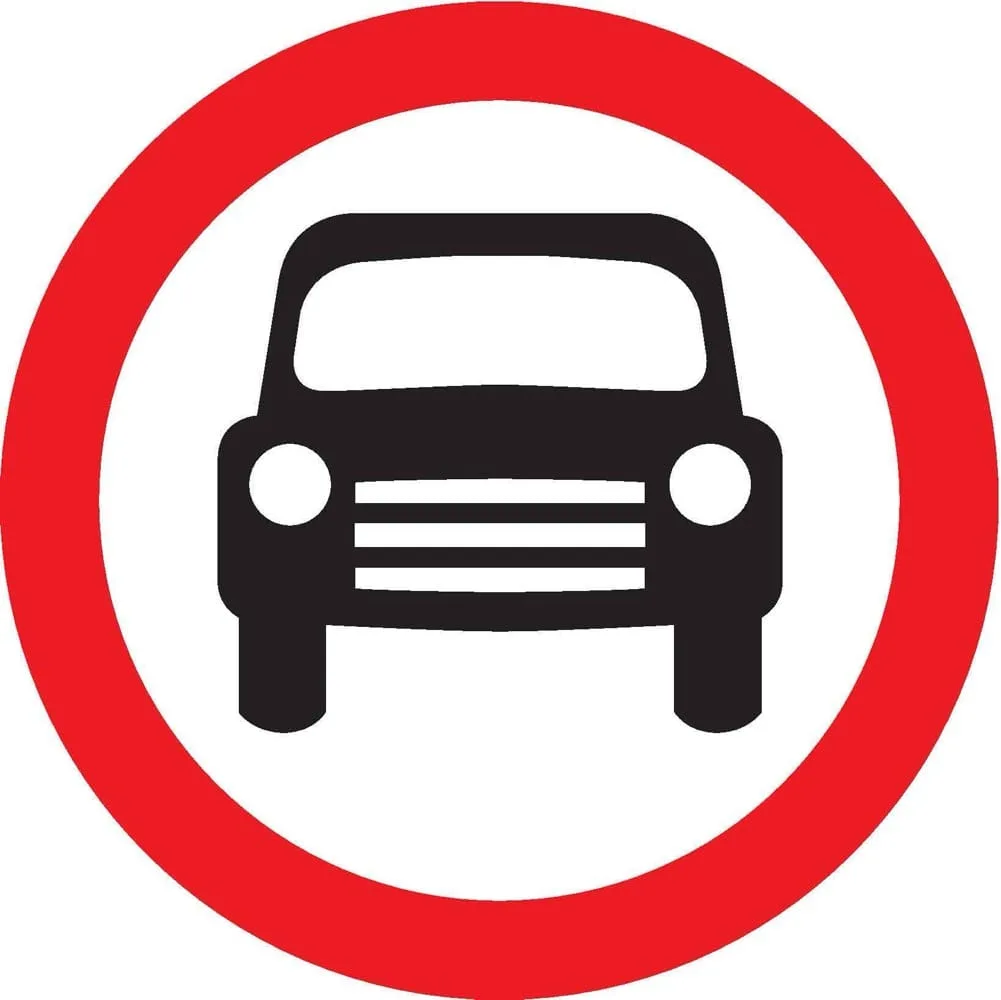
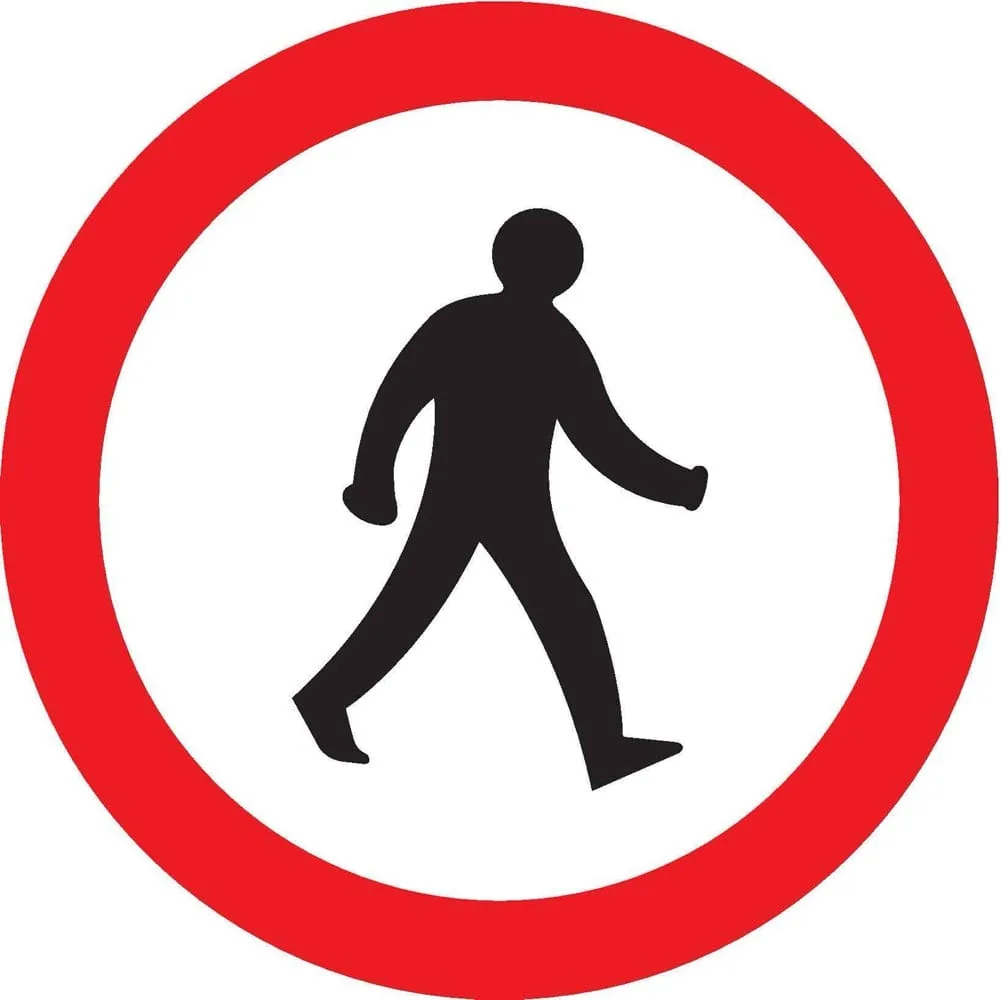
Show the answer
This was the right answerThis sign is used to enable pedestrians to walk free from traffic. It's often found in shopping areas.
What does this sign mean?
You have priority
No motor vehicles
Two-way traffic
No overtaking
Show the answer
No overtakingThis was the right answer
Road signs that prohibit overtaking are placed in locations where passing the vehicle in front is dangerous. If you see this sign, don't attempt to overtake. The sign is there for a reason; you must obey it.
What does this sign mean?
Waiting restrictions apply
Waiting permitted
National speed limit applies
Clearway (no stopping)
Show the answer
Waiting restrictions applyThis was the right answer
There'll be a plate or additional sign to tell you when the restrictions apply.
What does this sign mean?
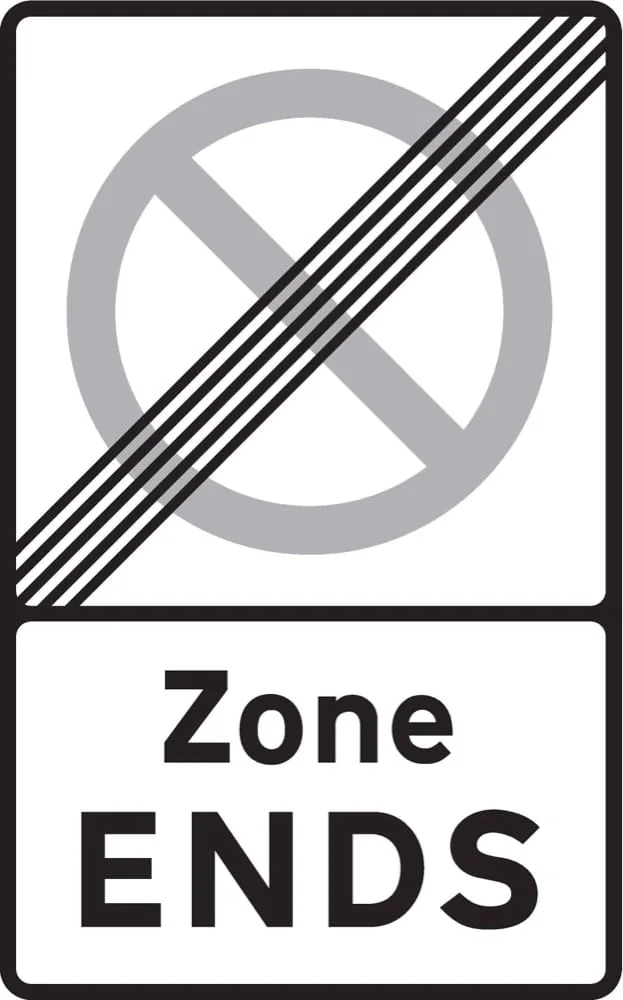
End of restricted speed area
End of restricted parking area
End of clearway
End of cycle route
Show the answer
End of restricted parking areaThis was the right answer
Even though you've left the restricted area, make sure that you park where you won't endanger other road users or cause an obstruction.
Which sign means 'no stopping'?
Show the answer
This was the right answerStopping where this clearway restriction applies is likely to cause congestion. Allow the traffic to flow by obeying the signs.
What does this sign mean?
National speed limit applies
Waiting restrictions apply
No stopping
No entry
Show the answer
No stoppingThis was the right answer
This is the sign for a clearway. Clearways are stretches of road where you aren’t allowed to stop unless it’s an emergency. Stopping where these restrictions apply may be dangerous and is likely to cause an obstruction. Restrictions might apply for several miles and this may be indicated on the sign.
What does this sign mean?
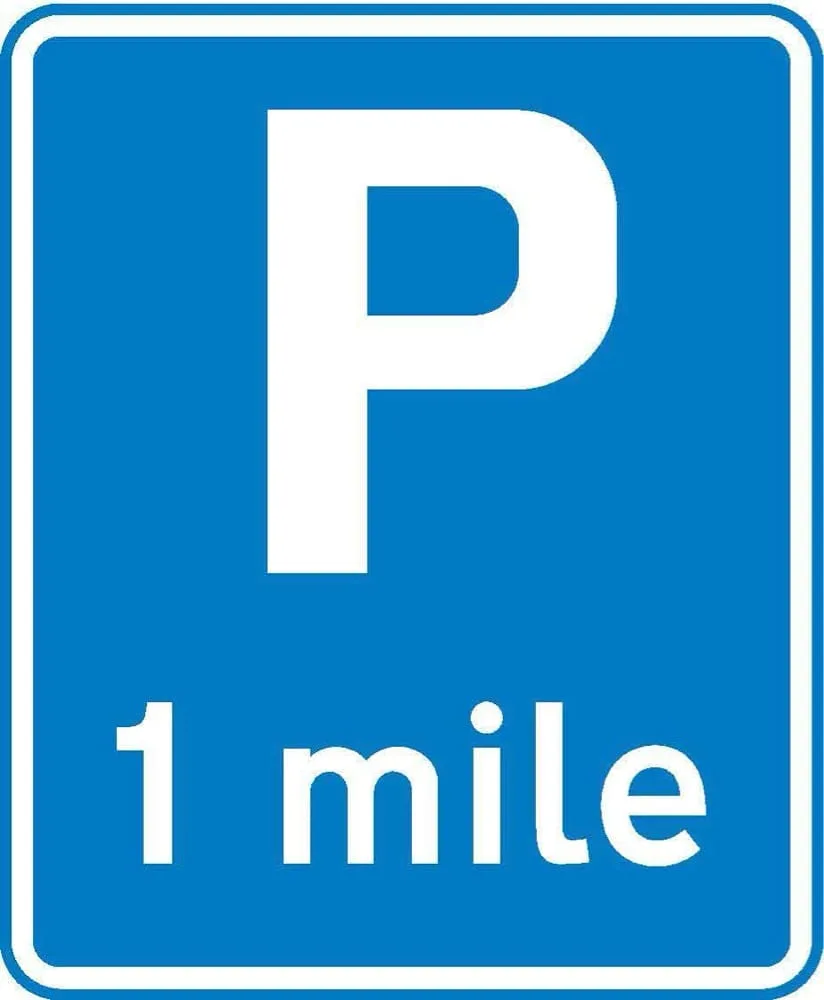
Distance to parking place ahead
Distance to public telephone ahead
Distance to public house ahead
Distance to passing place ahead
Show the answer
Distance to parking place aheadThis was the right answer
If you intend to stop and rest, this sign allows you time to reduce speed and pull over safely.
What does this sign mean?
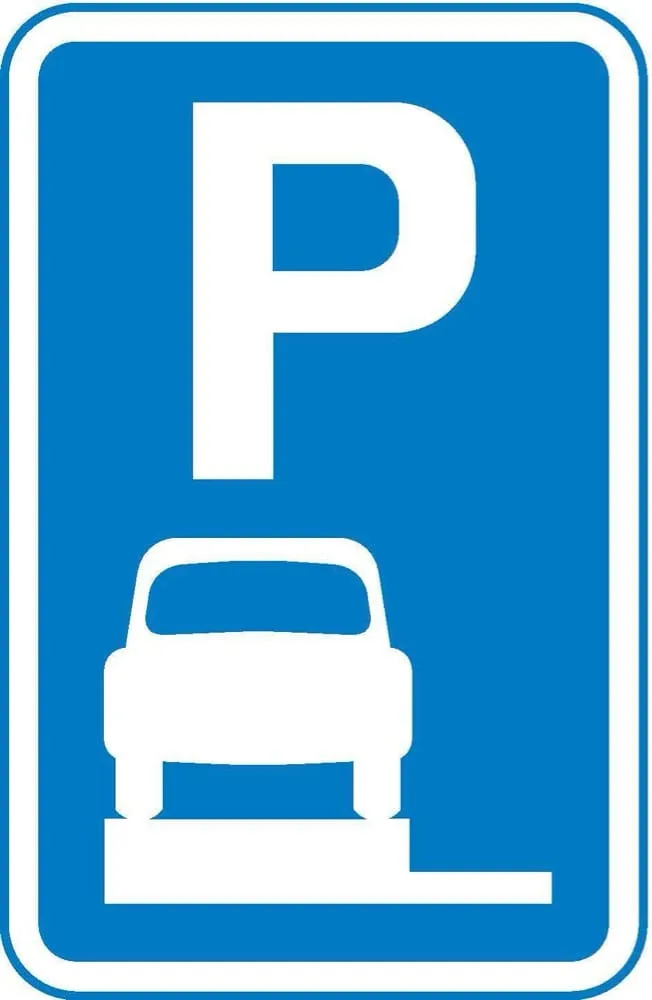
Vehicles may not park on the verge or footway
Vehicles may park on the left-hand side of the road only
Vehicles may park fully on the verge or footway
Vehicles may park on the right-hand side of the road only
Show the answer
Vehicles may park fully on the verge or footwayThis was the right answer
In order to keep roads free from parked cars, there are some areas where you're allowed to park on the verge. Only do this where you see the sign. Parking on verges or footways anywhere else could lead to a fine.
What does this traffic sign mean?
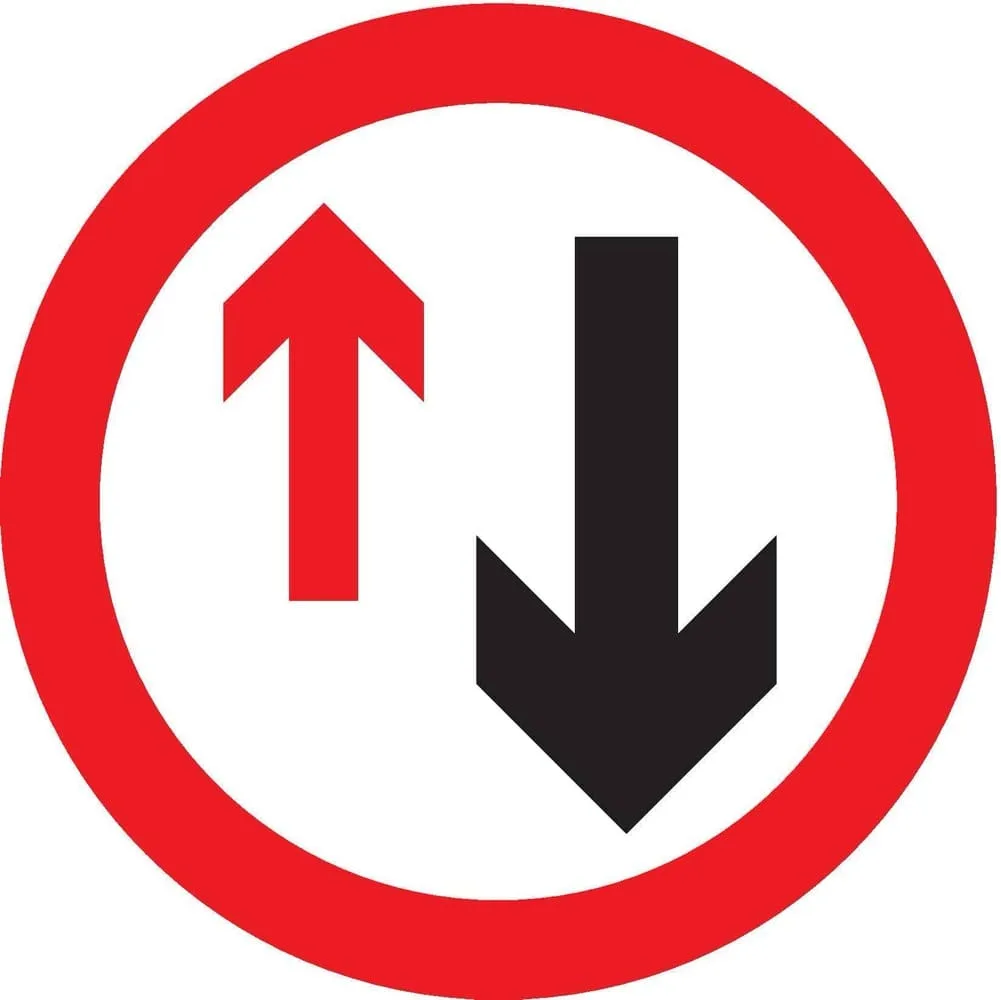
No overtaking allowed
Give priority to oncoming traffic
Two-way traffic
One-way traffic only
Show the answer
Give priority to oncoming trafficThis was the right answer
Priority signs are normally shown where the road is narrow and there isn't enough room for two vehicles to pass. Examples are narrow bridges, roadworks and where there's a width restriction.
Make sure you know who has priority; don't force your way through. Show courtesy and consideration to other road users.
More car topics
13 moreEvery question in this bank sits in one of these, and each one is a page like this.
Alertness26 questionsAttitude39 questionsEssential documents28 questionsHazard awareness78 questionsIncidents, accidents and emergencies48 questionsMotorway rules57 questionsOther types of vehicle22 questionsRules of the road67 questionsSafety and your vehicle77 questionsSafety margins34 questionsVehicle handling45 questionsVehicle loading21 questionsVulnerable road users71 questionsAll car questionsThe whole bank, in 14 topics