Traffic signs
Warning signs
54 signs, in the order the Highway Code lists them. Each one has a page of its own, so you can link to a single sign.
Every one, in the order the Code lists them
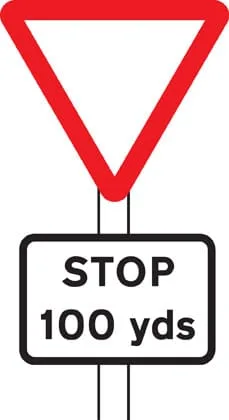 Distance to ‘STOP’ line ahead
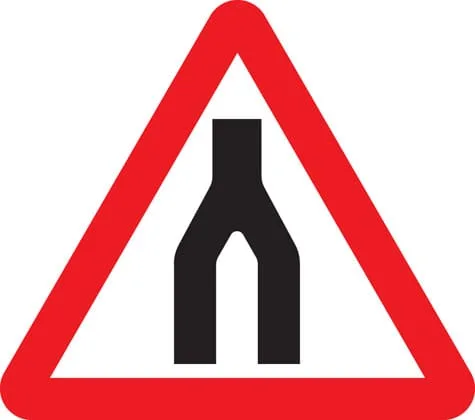 Dual carriageway ends
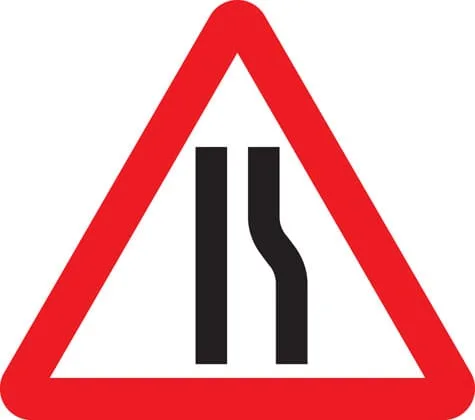 Road narrows on right (left if symbol reversed)
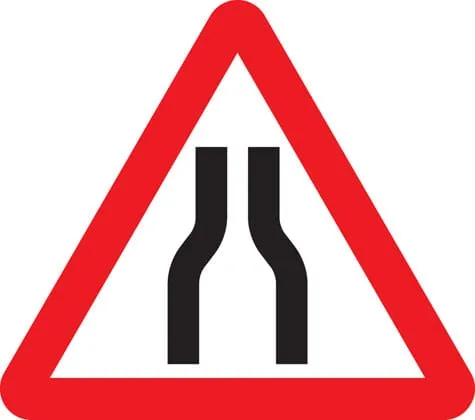 Road narrows on both sides
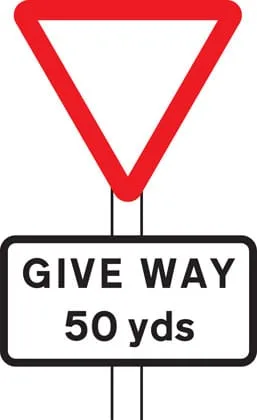 Distance to ‘Give Way’ line ahead
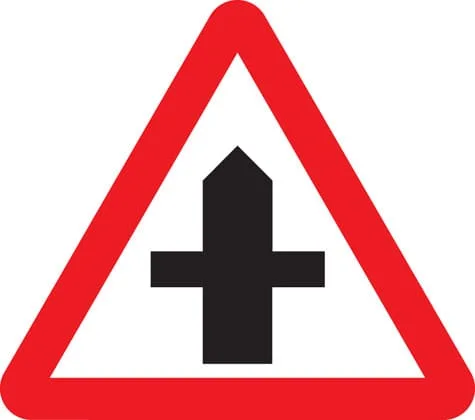 Crossroads
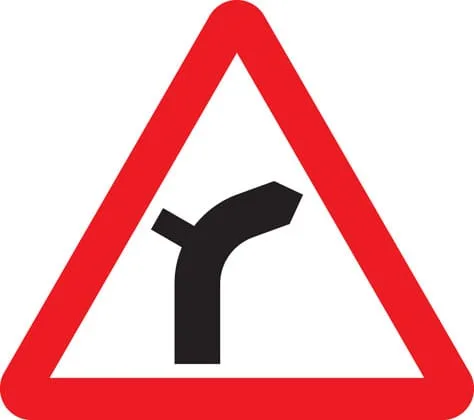 Junction on bend ahead
 T-junction with priority over vehicles from the right
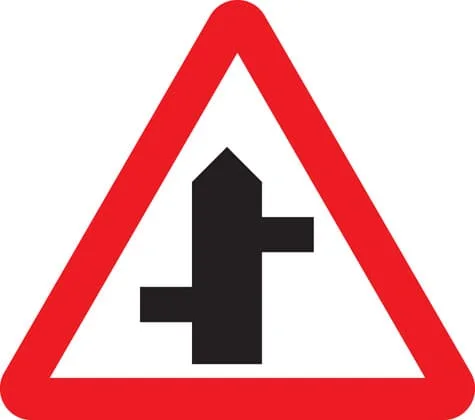 Staggered junction
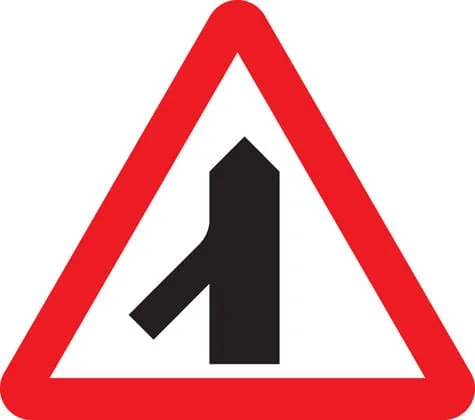 Traffic merging from left ahead
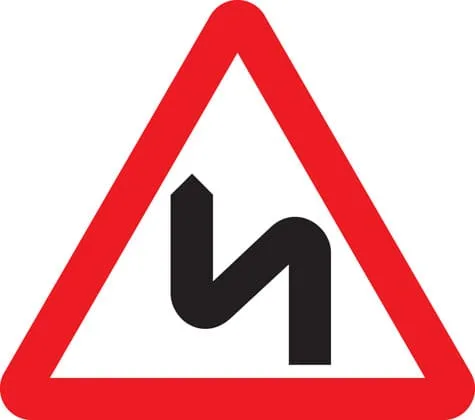 Double bend first to left (symbol may be reversed)
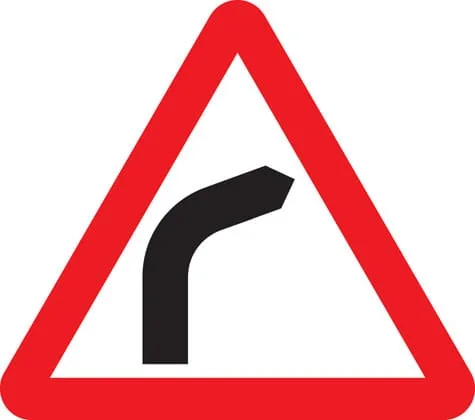 Bend to right (or left if symbol reversed)
 Roundabout
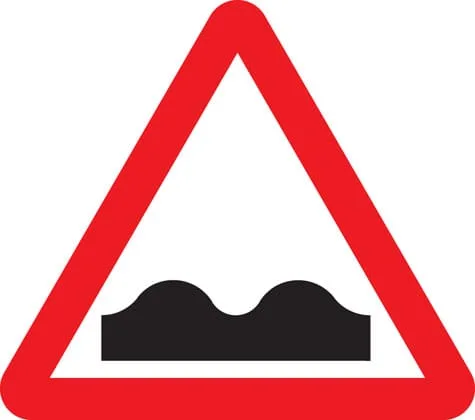 Uneven road
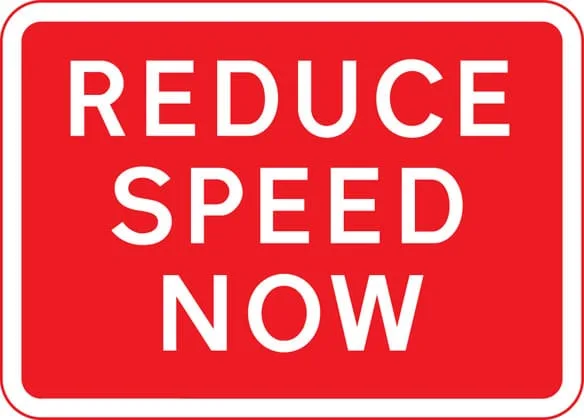 Plate below some signs
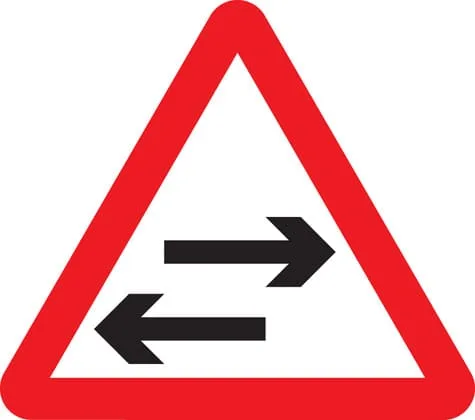 Two-way traffic crosses one-way road
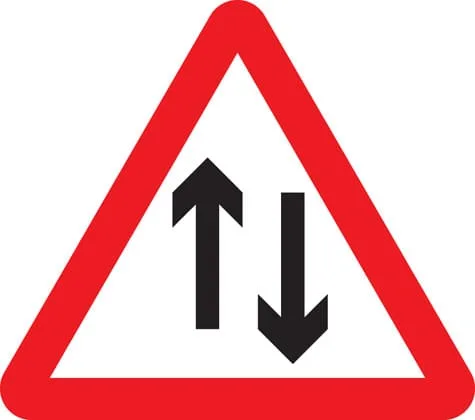 Two-way traffic straight ahead
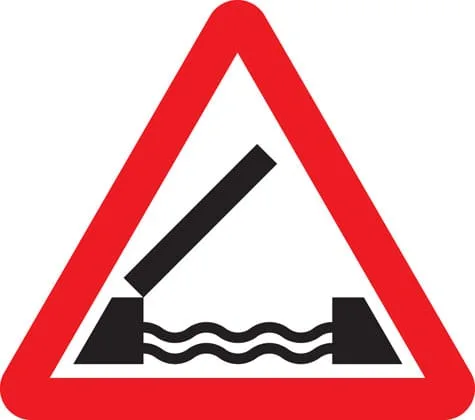 Opening or swing bridge ahead
 Low-flying aircraft or sudden aircraft noise
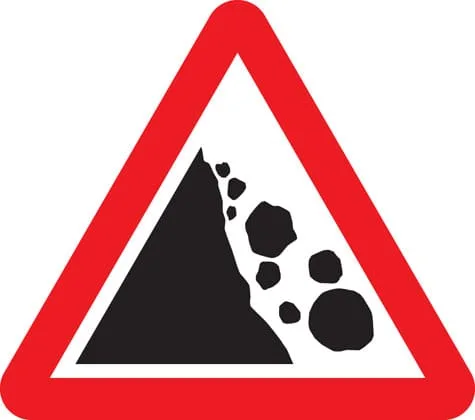 Falling or fallen rocks
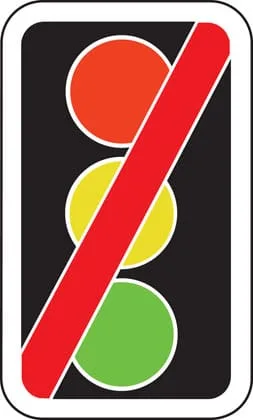 Traffic signals not in use
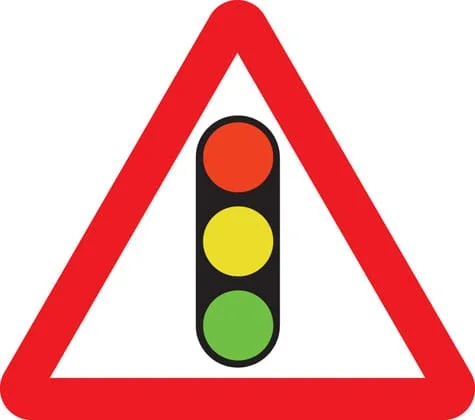 Traffic signals
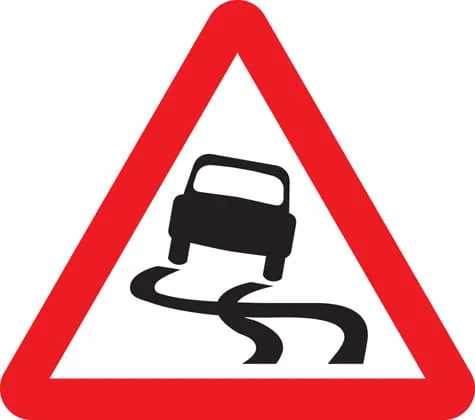 Slippery road
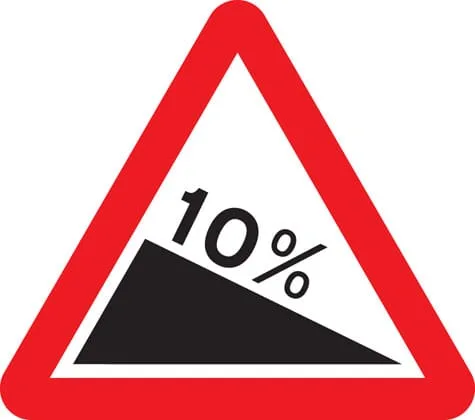 Steep hill downwards
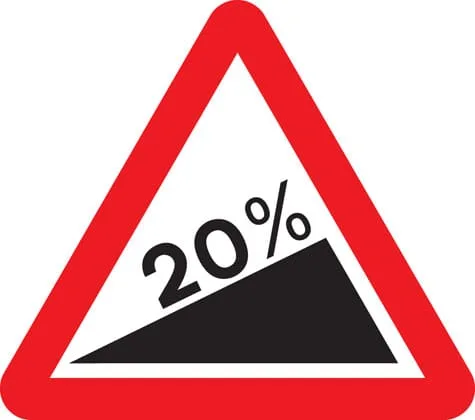 Steep hill upwards
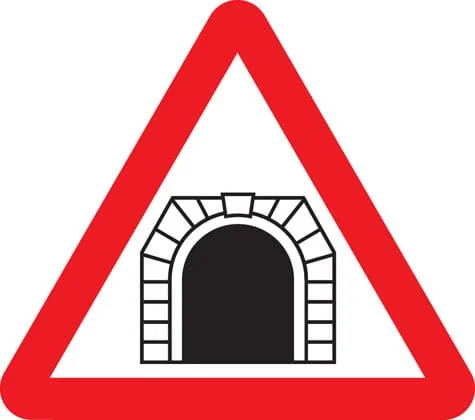 Tunnel ahead
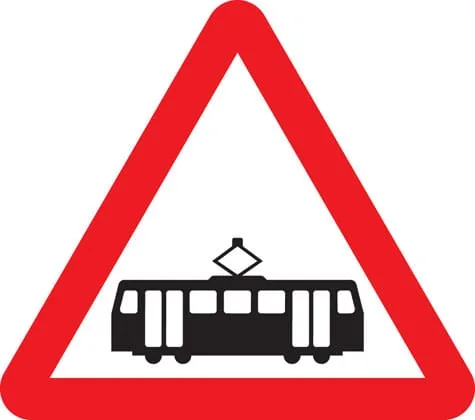 Trams crossing ahead
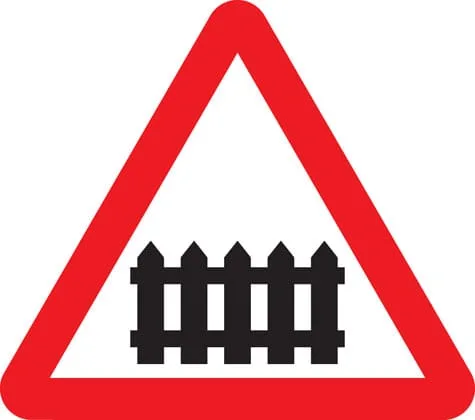 Level crossing with barrier or gate ahead
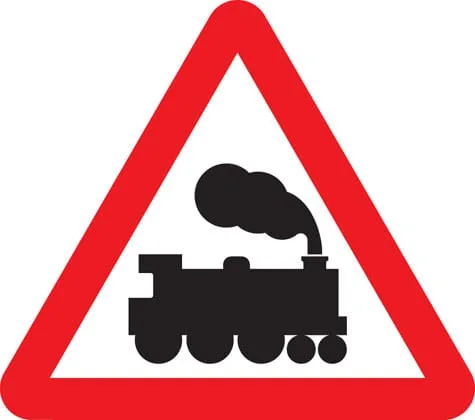 Level crossing without barrier or gate ahead
 Level crossing without barrier
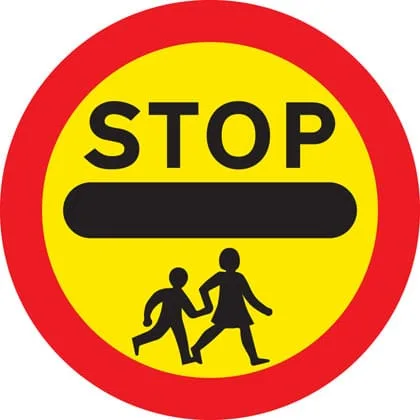 School crossing patrol ahead (some signs have amber lights which flash when crossings are in use)
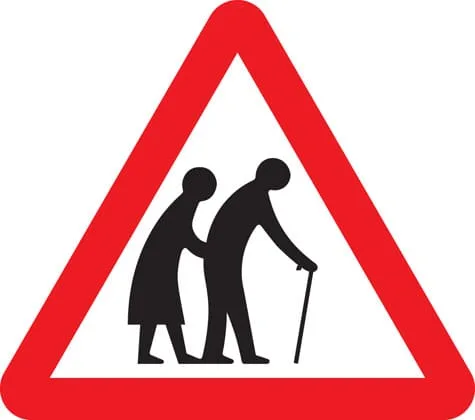 Frail (or blind or disabled if shown) pedestrians likely to cross road ahead
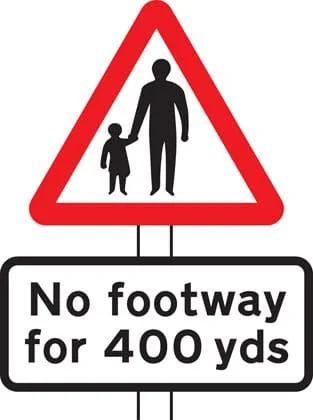 Pedestrians in road ahead
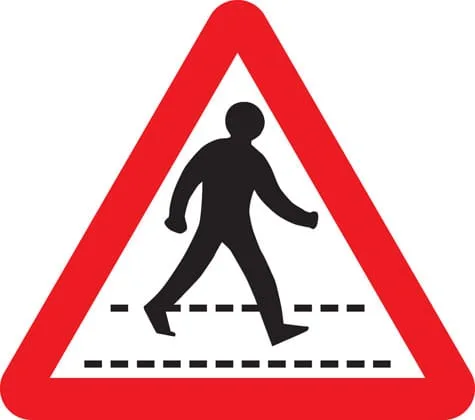 Zebra crossing
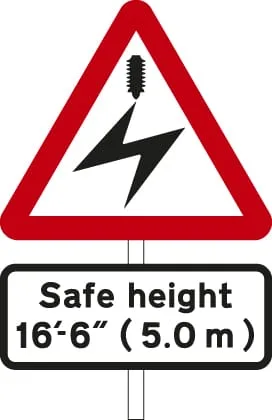 Overhead electric cable; plate indicates maximum height of vehicles which can pass safely
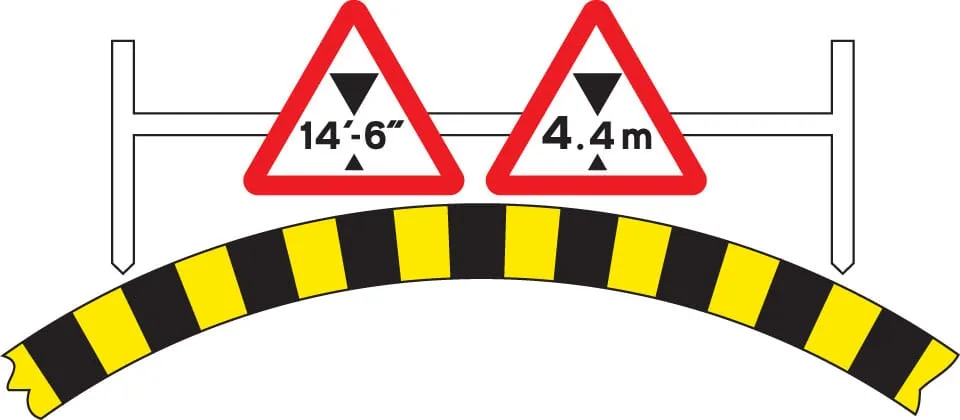 Available width of headroom indicated
 Sharp deviation of route to left (or right if chevrons reversed)
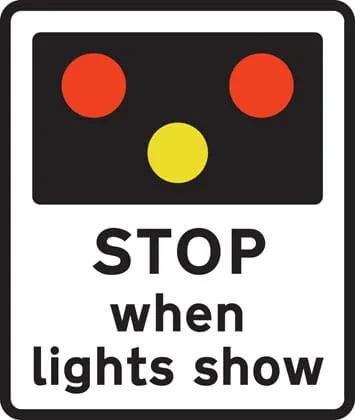 Light signals ahead at level crossing, airfield or bridge
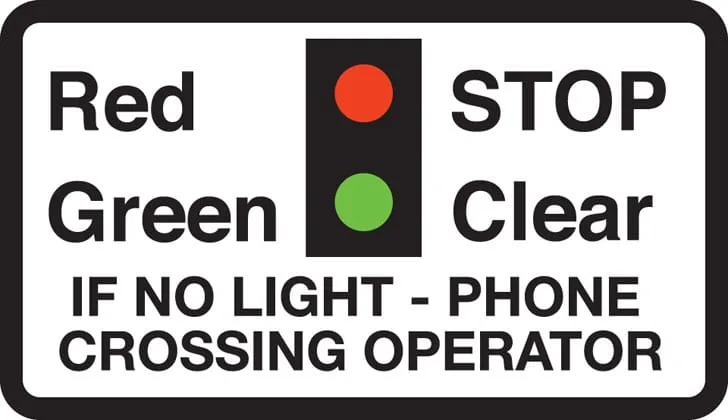 Miniature warning lights at level crossings
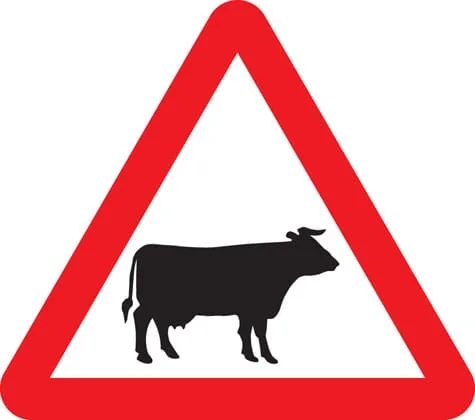 Cattle
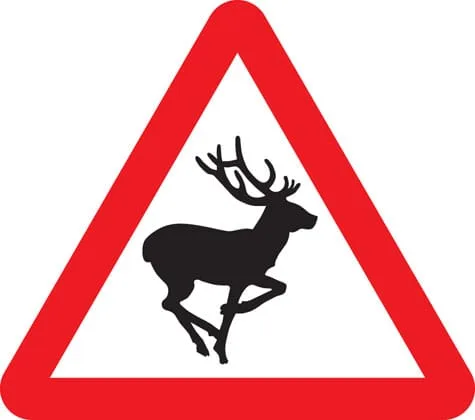 Wild animals
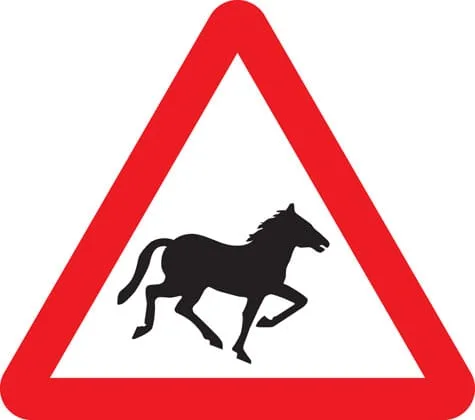 Wild horses or ponies
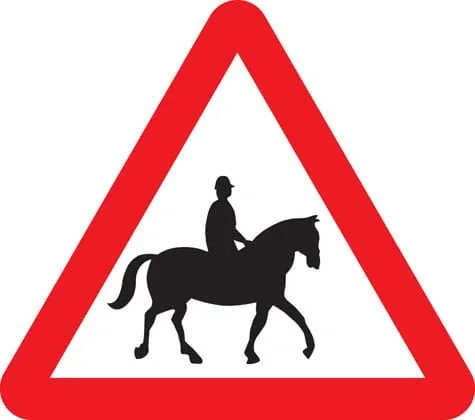 Accompanied horses or ponies
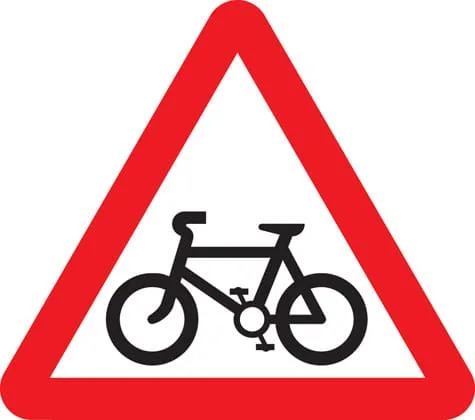 Cycle route ahead
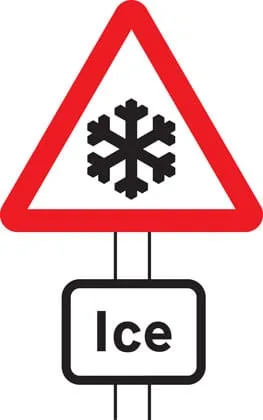 Risk of ice
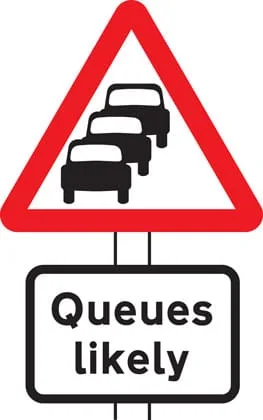 Traffic queues likely ahead
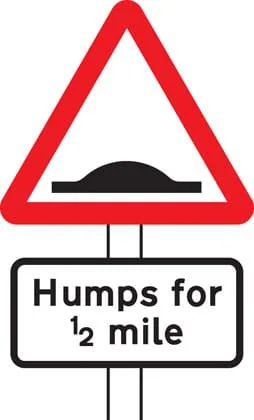 Distance over which road humps extend
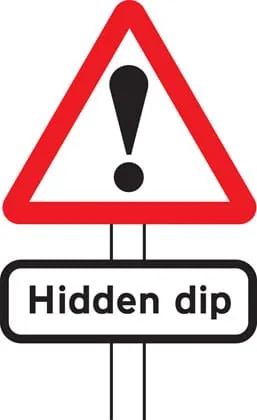 Other danger; plate indicates nature of danger
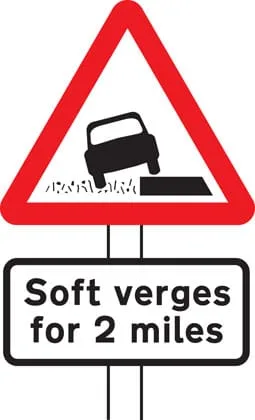 Soft verges
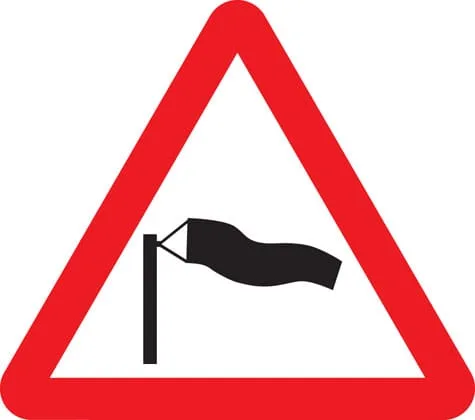 Side winds
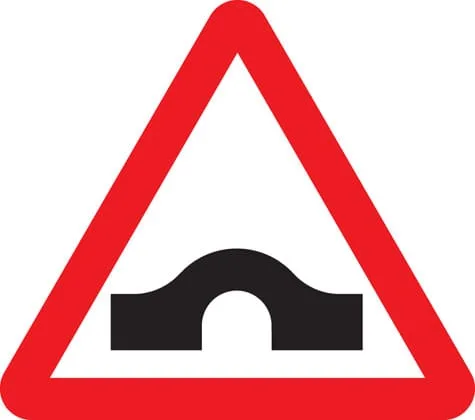 Hump bridge
 Worded warning sign
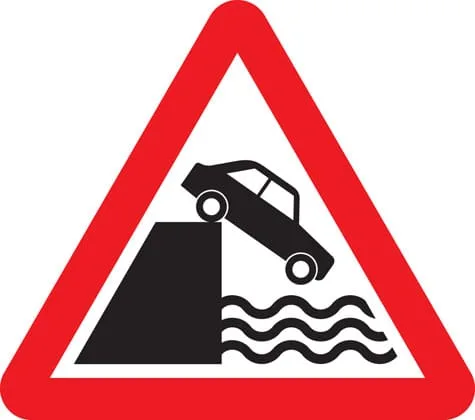 Quayside or river bank
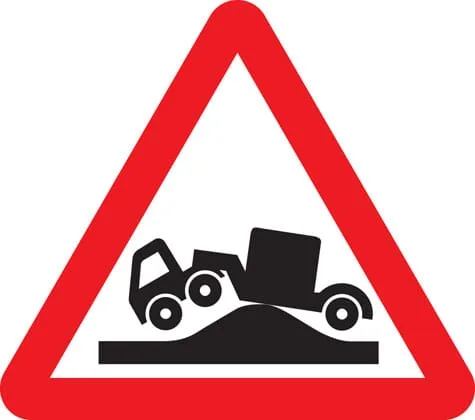 Risk of grounding
What the Highway Code says about this group
Mostly triangular The priority through route is indicated by the broader line. Gradients may be shown as a ratio i.e. 20% = 1:5
The rest of traffic signs
4 more groupsOne search covers the whole Code and the whole library
Nobody looking something up knows whether the answer is a rule or a sign, so there is one field for both, and neither needs an account.