Dashboard Warning Lights
10 January 2024 · MELIORAPPS
Archived article, not revalidated as current instruction. Original publication dates are preserved. Follow current official guidance for driving rules, legal requirements and test details.
Introduction
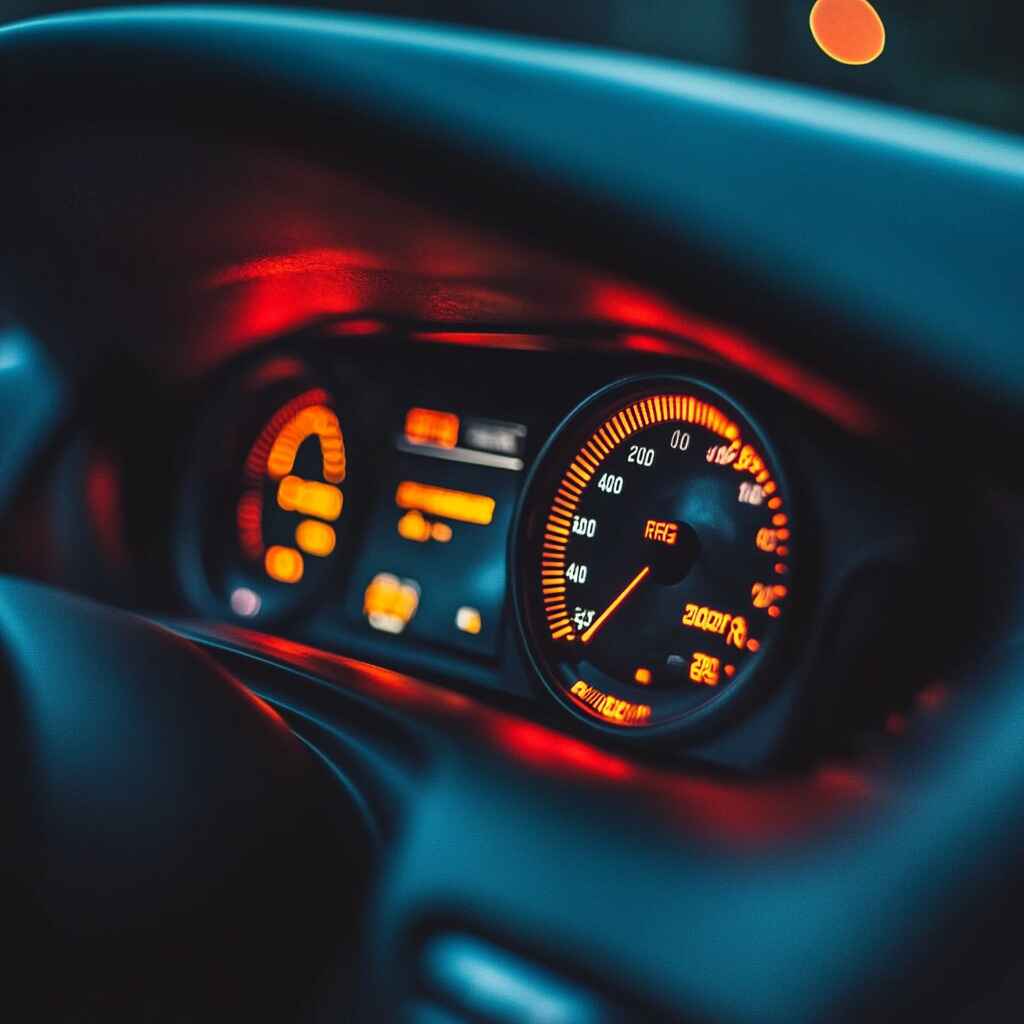
A key aspect of vehicle maintenance is understanding the importance of dashboard warning lights. These lights serve as crucial indicators of your car's health and system status, providing real-time feedback about various functions of the vehicle.
What it is
These warning lights indicate problems or system statuses related to essential components of your car. Examples of these indicators include: - Engine warning light: Indicates issues with the engine management system. - Oil pressure light: Warns of low oil pressure that can lead to engine damage. - Battery warning light: Indicates battery charging issues or electrical system problems. - ABS warning light: Alerts to an issue with the Anti-lock Braking System. - Tire pressure light: Indicates low tire pressure or a flat tire.
Why it matters
Ignoring warning lights can lead to serious mechanical issues, potentially resulting in costly repairs or dangerous driving conditions. Learning what each symbol means ensures timely responses to problems, helping maintain your vehicle's performance and safety. It's recommended to consult your owner's manual for specific information on what each warning light in your vehicle signifies and the appropriate actions to take when one illuminates.