Navigating the Storm: Tips for Driving Safely in Bad Weather Conditions
5 April 2023 · MELIORAPPS
Archived article, not revalidated as current instruction. Original publication dates are preserved. Follow current official guidance for driving rules, legal requirements and test details.
Correction: the general advice to use lower gears on icy roads is misleading. Highway Code rule 231 advises a slow speed in the highest suitable gear, with gentle acceleration and braking. Fog lights are only for seriously reduced visibility and must be switched off when it improves; they do not replace the required headlights.
Highway Code, rules 226, 231 and 236

Introduction
Driving in adverse weather conditions can be challenging and potentially dangerous. This article will provide essential tips and guidelines for staying safe on the road when faced with heavy rain, snow, fog, or other difficult weather situations. By understanding how to adjust your driving techniques and knowing what precautions to take, you can significantly reduce the risks associated with poor weather conditions.
Driving in Heavy Rain
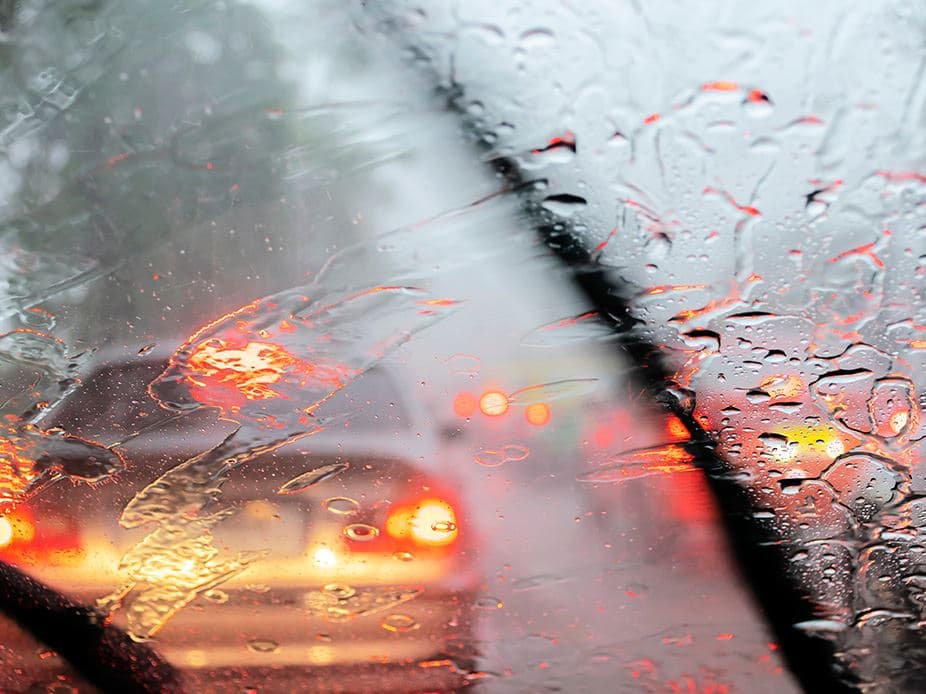
When driving in heavy rain, it's crucial to slow down, increase your following distance, and turn on your headlights. Avoid sudden movements or hard braking, as this may lead to hydroplaning. If you do experience hydroplaning, stay calm and ease off the accelerator, steering in the direction you want to go. Be cautious of standing water on the road, and avoid driving through flooded areas.
Navigating Snowy and Icy Roads
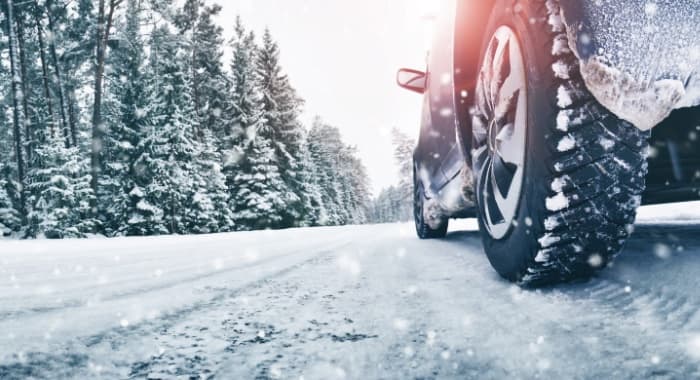
In snowy or icy conditions, it's essential to drive slowly and maintain a greater distance from the vehicle in front of you. Accelerate and brake gently to avoid skidding, and use lower gears to maintain traction, especially when going uphill. Keep your windshield, windows, and lights clear of snow and ice. Remember to equip your vehicle with snow tires or chains when required, and be prepared with an emergency kit in your car.
Handling Foggy Conditions
Fog can significantly reduce visibility, making driving more challenging. Slow down, and use your low-beam headlights or fog lights to improve visibility. Avoid using high-beam headlights, as they can create glare and worsen visibility. Increase your following distance and use road markings as a guide. If the fog is too dense, pull over to a safe location and wait for the fog to lift.

Conclusion
Driving in bad weather conditions requires extra caution, patience, and preparedness. By following the tips outlined in this article, you can significantly improve your safety and the safety of others on the road. Remember that the best strategy in extreme weather conditions is often to avoid driving altogether and wait for conditions to improve before venturing out.